



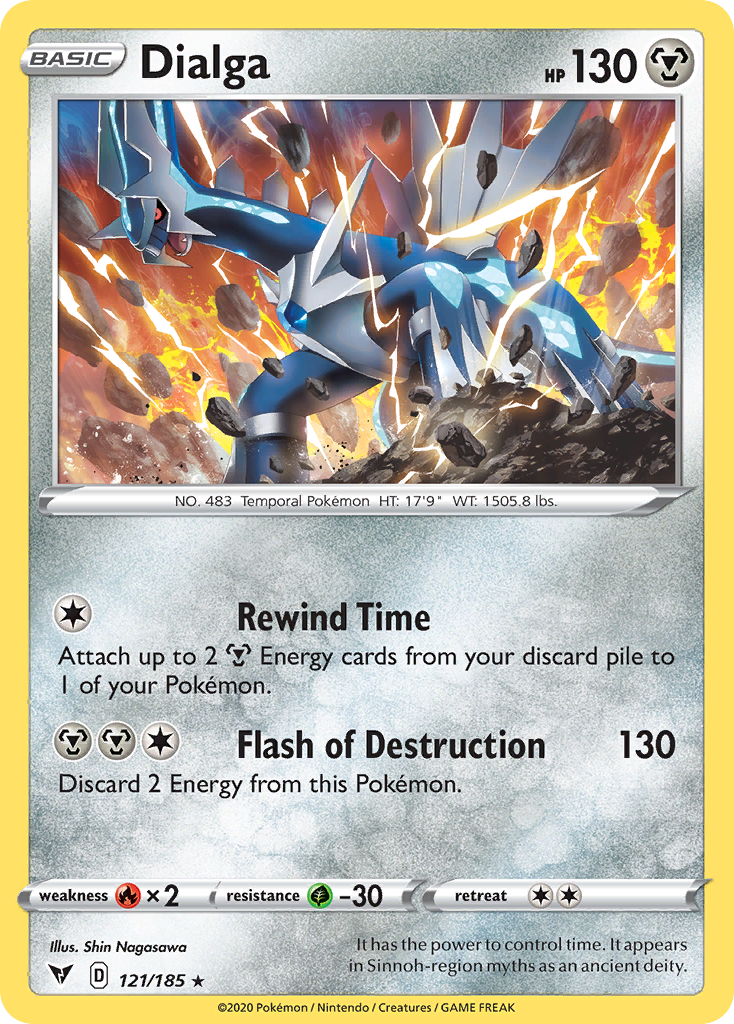
Dialga
It has the power to control time. It appears in Sinnoh-region myths as an ancient deity.
Attach up to 2 Metal Energy cards from your discard pile to 1 of your Pokémon.
| Supertype | Pokémon |
|---|---|
| Subtype | Basic |
| HP | 130 |
| Types | Metal |
| Attack | Rewind Time |
| Attack cost | Colorless |
| Artist | Shin Nagasawa |
| Rarity | Rare Holo |
| Pokédex | 483 |
Informatie verkoper
- Shopnaam: DutchGem
- Verkoper DutchGem
-
Adres:
gekkestraat
179
2345GT Utrecht
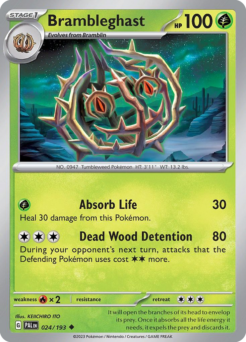
Paldea Evolved
It will open the branches of its head to envelop its prey. Once it absorbs all the life energy it needs, it expels the prey and discards it.

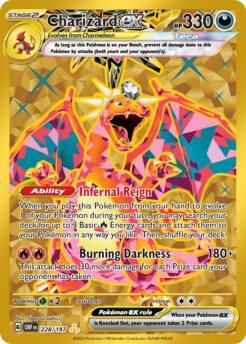
Obsidian Flames
This attack does 30 more damage for each Prize card your opponent has taken.

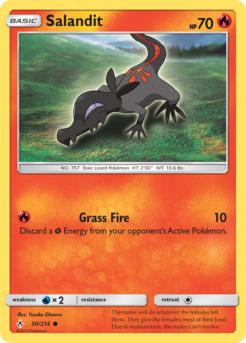
Sun & Moon
The males will do whatever the females tell them. They give the females most of their food. Due to malnutrition, the males can't evolve.
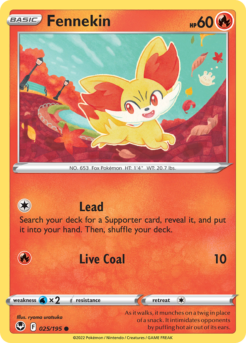
Silver Tempest
As it walks, it munches on a twig in place of a snack. It intimidates opponents by puffing hot air out of its ears.
Gerelateerde producten
Sword & Shield
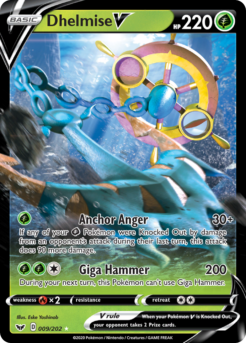
If any of your Grass Pokémon were Knocked Out by damage from an opponent’s attack during their last turn, this attack does 90 more damage.
Sword & Shield
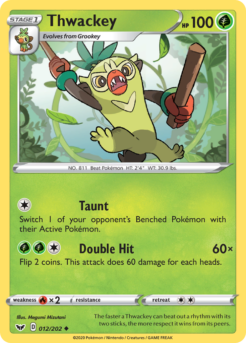
The faster a Thwackey can beat out a rhythm with its two sticks, the more respect it wins from its peers.
Sword & Shield
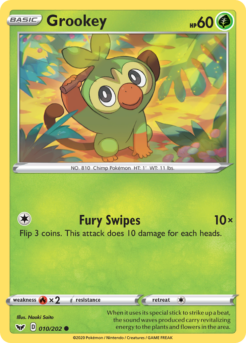
When it uses its special stick to strike up a beat, the sound waves produced carry revitalizing energy to the plants and flowers in the area.
Sword & Shield
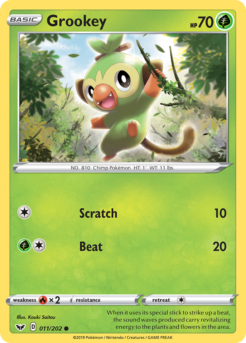
When it uses its special stick to strike up a beat, the sound waves produced carry revitalizing energy to the plants and flowers in the area.
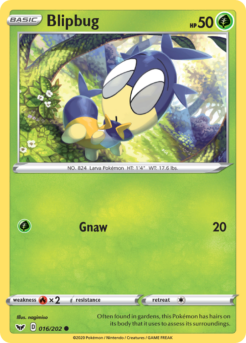
Sword & Shield
Often found in gardens, this Pokémon has hairs on its body that it uses to assess its surroundings.
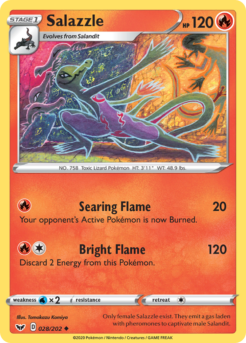
Sword & Shield
Only female Salazzle exist. They emit a gas laden with pheromones to captivate male Salandit.
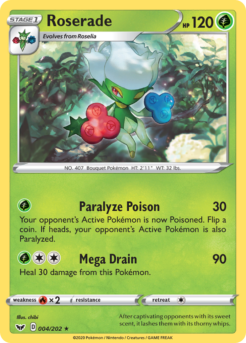
Sword & Shield
After captivating opponents with its sweet scent, it lashes them with its thorny whips.
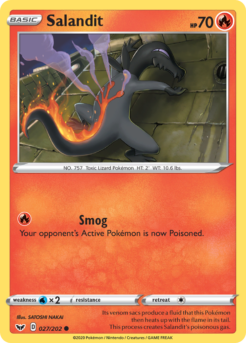
Sword & Shield
Its venom sacs produce a fluid that this Pokémon then heats up with the flame in its tail. This process creates Salandit's poisonous gas.