




| Supertype | Trainer |
|---|---|
| Subtype | Item |
| Artist | AYUMI ODASHIMA |
| Rarity | Rare Secret |
Informatie verkoper
- Shopnaam: DutchGem
- Verkoper DutchGem
-
Adres:
gekkestraat
179
2345GT Utrecht
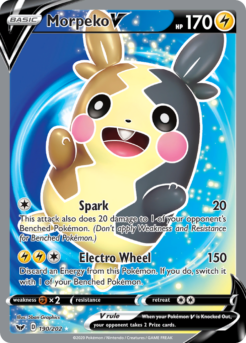
Sword & Shield
This attack also does 20 damage to 1 of your opponent’s Benched Pokémon. (Don’t apply Weakness and Resistance for Benched Pokémon.)
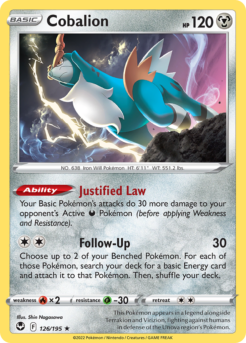
Silver Tempest
This Pokémon appears in a legend alongside Terrakion and Virizion, fighting against humans in defense of the Unova region's Pokémon.
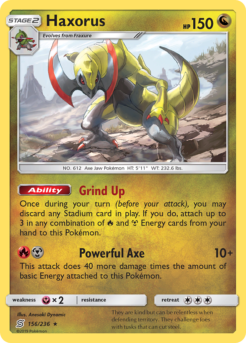
Sun & Moon
They are kind but can be relentless when defending territory. They challenge foes with tusks that can cut steel.
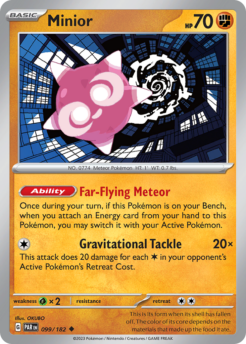
Paradox Rift
This is its form when its shell has fallen off. The color of its core depends on the materials that made up the food it ate.
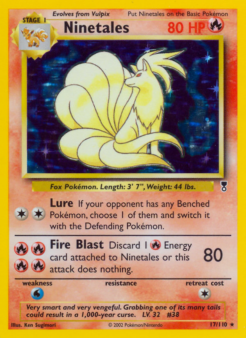
Base
Very smart and very vengeful. Grabbing one of its many tails could result in a 1,000-year curse.
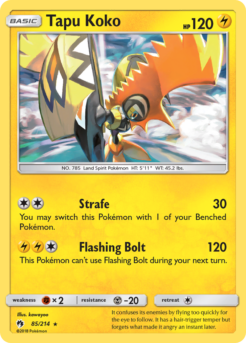
Lost Thunder
It confuses its enemies by flying too quickly for the eye to follow. It has a hair-trigger temper but forgets what made it angry an instant later.
Gerelateerde producten
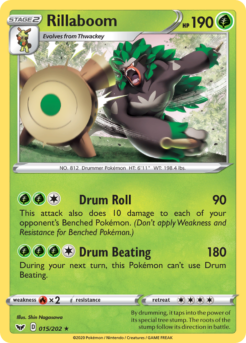
Sword & Shield
By drumming, it taps into the power of its special tree stump. The roots of the stump follow its direction in battle.
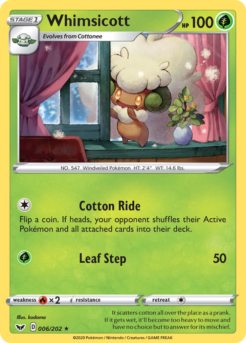
Sword & Shield
It scatters cotton all over the place as a prank. If it gets wet, it'll become too heavy to move and have no choice but to answer for its mischief.
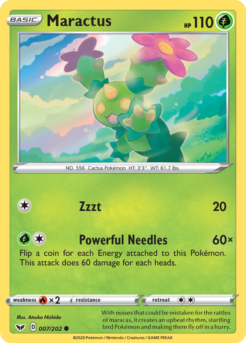
Sword & Shield
With noises that could be mistaken for the rattles of maracas, it creates an upbeat rhythm, startling bird Pokémon and making them fly off in a hurry.
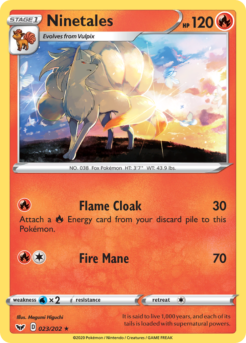
Sword & Shield
It is said to live 1,000 years, and each of its tails is loaded with supernatural powers.
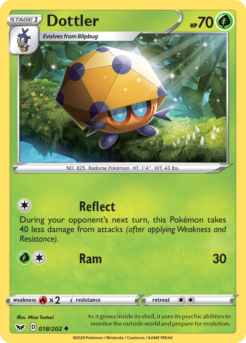
Sword & Shield
As it grows inside its shell, it uses its psychic abilities to monitor the outside world and prepare for evolution.
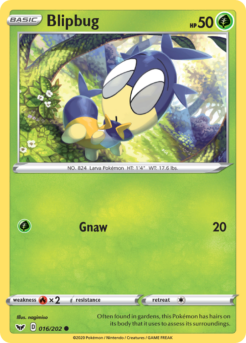
Sword & Shield
Often found in gardens, this Pokémon has hairs on its body that it uses to assess its surroundings.
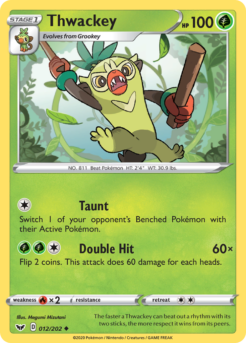
Sword & Shield
The faster a Thwackey can beat out a rhythm with its two sticks, the more respect it wins from its peers.
Sword & Shield
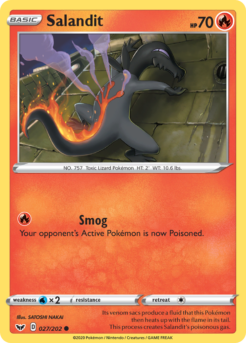
Its venom sacs produce a fluid that this Pokémon then heats up with the flame in its tail. This process creates Salandit's poisonous gas.