



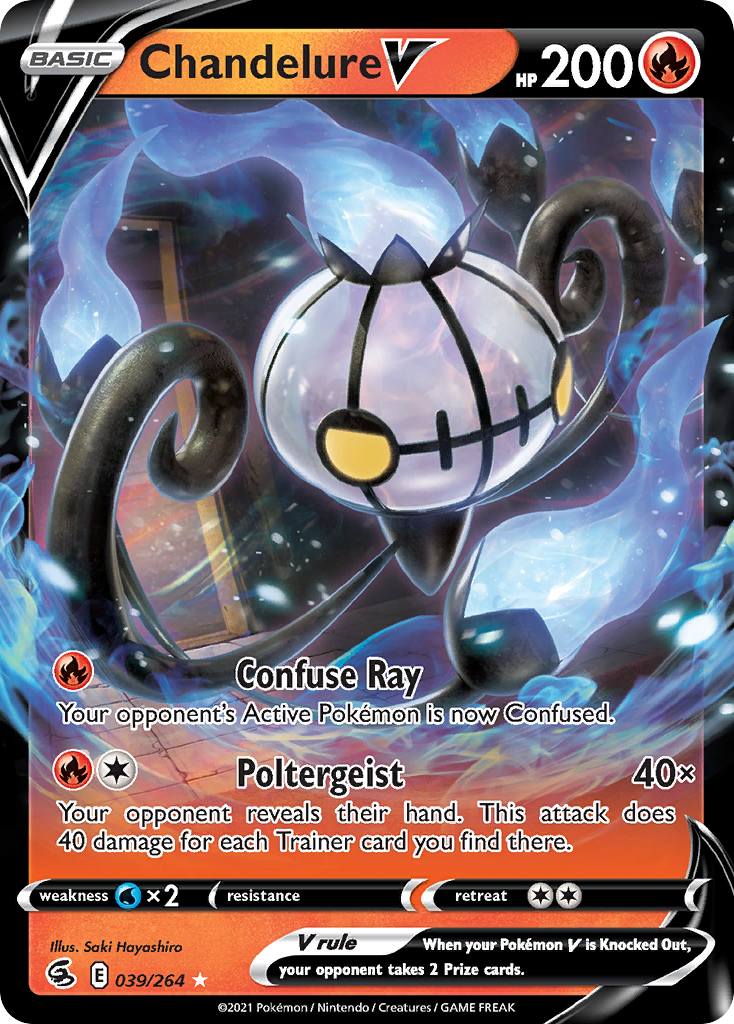
Your opponent’s Active Pokémon is now Confused.
| Supertype | Pokémon |
|---|---|
| Subtype | Basic |
| HP | 200 |
| Types | Fire |
| Attack | Confuse Ray |
| Attack cost | Fire |
| Artist | Saki Hayashiro |
| Rarity | Rare Holo V |
| Pokédex | 609 |
Vendor Information
- Store Name: DutchGem
- Vendor: DutchGem
-
Address:
gekkestraat
179
2345GT Utrecht
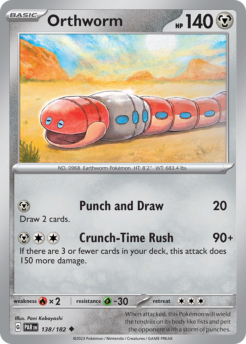
Paradox Rift
When attacked, this Pokémon will wield the tendrils on its body like fists and pelt the opponent with a storm of punches.
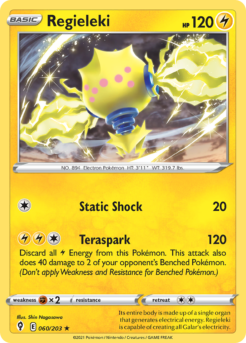
Evolving Skies
Its entire body is made up of a single organ that generates electrical energy. Regieleki is capable of creating all Galar's electricity.
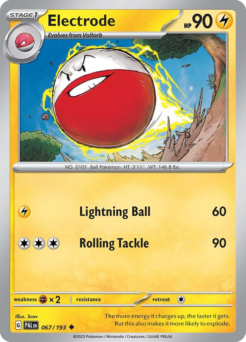
Paldea Evolved
The more energy it charges up, the faster it gets. But this also makes it more likely to explode.
Scarlet & Violet
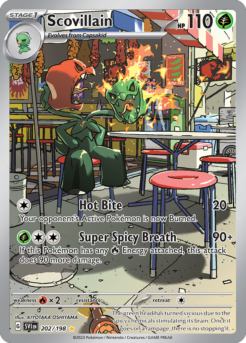
The green head has turned vicious due to the spicy chemicals stimulating its brain. Once it goes on a rampage, there is no stopping it.
Evolving Skies
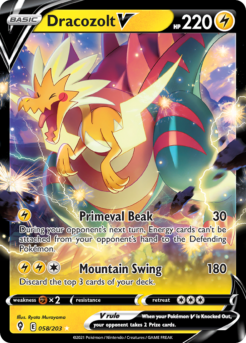
During your opponent’s next turn, Energy cards can’t be attached from your opponent’s hand to the Defending Pokémon.
Produtos Relacionados
Sword & Shield
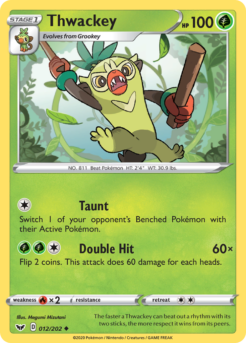
The faster a Thwackey can beat out a rhythm with its two sticks, the more respect it wins from its peers.
Sword & Shield
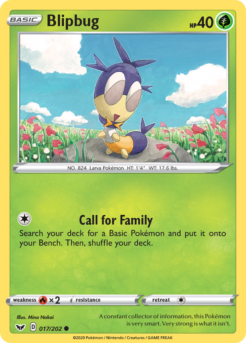
A constant collector of information, this Pokémon is very smart. Very strong is what it isn't.
Sword & Shield
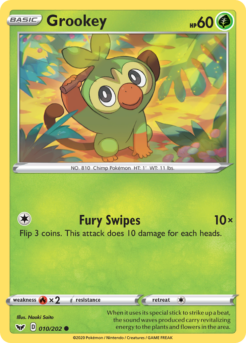
When it uses its special stick to strike up a beat, the sound waves produced carry revitalizing energy to the plants and flowers in the area.
Sword & Shield
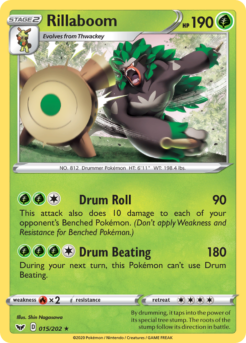
By drumming, it taps into the power of its special tree stump. The roots of the stump follow its direction in battle.
Sword & Shield
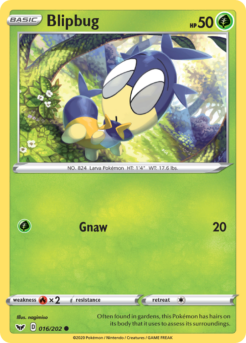
Often found in gardens, this Pokémon has hairs on its body that it uses to assess its surroundings.
Sword & Shield
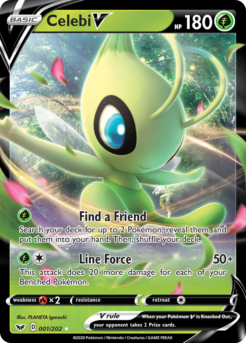
Search your deck for up to 2 Pokémon, reveal them, and put them into your hand. Then, shuffle your deck.
Sword & Shield
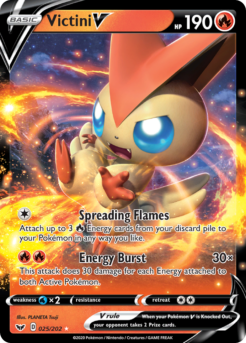
Attach up to 3 Fire Energy cards from your discard pile to your Pokémon in any way you like.
Sword & Shield
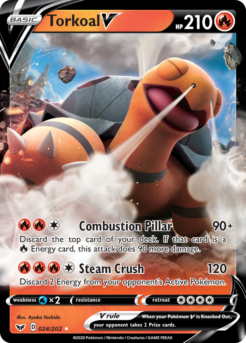
Discard the top card of your deck. If that card is a Fire Energy card, this attack does 90 more damage.